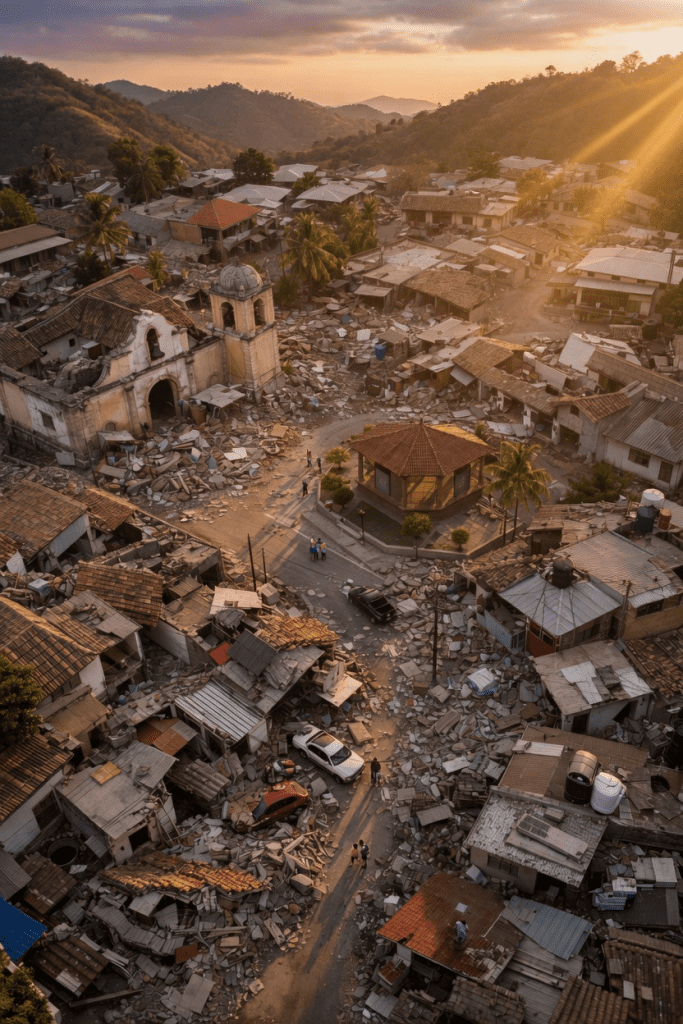
A powerful 6.5 magnitude earthquake struck southern Mexico on January 2, 2026, with its epicenter located near the towns of San Marcos and Rancho Viejo in Guerrero State. The quake unleashed intense shaking across much of southern and central Mexico, including Mexico City, prompting residents to evacuate buildings and triggering widespread seismic alerts.
While the tremor caused damage to buildings and infrastructure, it also highlighted the resilience of Mexican communities and the importance of earthquake preparedness in one of the world’s most seismically active nations.
Details of the Guerrero Earthquake
According to the United States Geological Survey (USGS) and Mexico’s National Seismological Service (SSN), the 6.5 magnitude earthquake occurred at approximately 7:58 a.m. local time (13:58 UTC). The epicenter was situated about 2.5 miles (4 km) north-northwest of Rancho Viejo and roughly 9–15 miles from San Marcos, at a depth of around 18–35 kilometers.
The quake was felt strongly in Guerrero State, particularly near Acapulco, and sent tremors hundreds of miles northward into Mexico City and surrounding states such as Morelos. Residents reported buildings swaying, objects falling from shelves, and moments of panic as the ground shook for about 30–40 seconds.
Mexican officials, including President Claudia Sheinbaum, activated emergency protocols immediately. “People are urged to remain calm, stay away from damaged structures, and be alert for possible aftershocks,” authorities emphasized in public statements.
Tragically, the earthquake resulted in at least two confirmed fatalities and more than two dozen injuries. Hundreds of buildings sustained damage, including homes, roads, and some structures in urban areas. Landslides were reported on highways in Guerrero, complicating initial response efforts.
Why Mexico Experiences Frequent Earthquakes
Mexico lies along the Pacific Ring of Fire, where several major tectonic plates interact — primarily the Cocos Plate subducting beneath the North American Plate. This geological setting makes the country highly prone to seismic activity, with thousands of earthquakes recorded each year.
Guerrero State, in particular, has a long history of significant quakes. The region near Acapulco experienced a devastating 8.2 magnitude event in 1787 and more recent damaging tremors in 2021 and 2023. The January 2026 quake serves as another reminder of the ongoing tectonic forces shaping the landscape.
Despite the risks, Mexico has invested heavily in early warning systems. The country’s SASMEX (Seismic Alert System) provides precious seconds of notice in many urban centers, allowing people to take cover before strong shaking arrives.
Immediate Impacts and Response Efforts
In the hours following the mainshock, authorities reported more than 500 aftershocks, the largest reaching magnitude 4.2. Emergency teams conducted damage assessments in Guerrero, with priority given to vulnerable communities in rural and mountainous areas.
In Mexico City, residents felt the quake strongly enough to trigger building evacuations. Local officials inspected hospitals, schools, and critical infrastructure. While no widespread collapse occurred, some older structures sustained cracks and partial damage.
First responders, civil protection agencies, and volunteers worked quickly to clear debris, provide medical aid, and support displaced families. Temporary shelters were opened, and relief supplies began flowing into affected zones.
Earthquake Preparedness: Essential Lessons from Mexico
This event offers valuable takeaways for people living in earthquake-prone regions worldwide, including California, Alaska, the Pacific Northwest in the U.S., and many other countries.
Key Safety Recommendations:
- Drop, Cover, and Hold On — The official advice during shaking: Drop to the ground, take cover under a sturdy table, and hold on until the shaking stops.
- Stay Away from Windows and Heavy Objects — Avoid exterior walls, glass, and unsecured furniture.
- Have an Emergency Kit Ready — Include water, non-perishable food, flashlight, batteries, first-aid supplies, medications, cash, and important documents.
- Know Your Building — Identify safe spots and evacuation routes. In high-rise buildings, avoid elevators.
- Prepare for Aftershocks — These can continue for days or weeks and sometimes cause additional damage.
- Secure Your Home — Anchor heavy furniture, water heaters, and appliances to walls.
Mexico’s experience shows that public education, building codes, and rapid response systems can significantly reduce loss of life even in strong earthquakes.
The Human Resilience in Guerrero and Beyond
Communities in Guerrero and across Mexico have a long tradition of coming together during crises. Stories of neighbors helping one another, local businesses offering free food and water, and first responders working around the clock highlight the strength of the Mexican people.
For many families near San Marcos and Rancho Viejo, the quake disrupted daily life and caused material losses. Yet the relatively moderate depth and location helped limit the scale of destruction compared to what could have occurred in a shallower or more densely populated event.
As recovery efforts continue, mental health support is also crucial. Sudden strong shaking can cause lasting anxiety, especially for children and the elderly.
Broader Context of Seismic Activity in 2026
The Guerrero earthquake is part of a pattern of notable seismic events in early 2026. Scientists continue to monitor fault lines across Mexico using advanced technology to improve forecasting and early warnings.
While no one can prevent earthquakes, ongoing research and infrastructure improvements help communities live more safely with this natural reality.
A Message of Support and Awareness
Our thoughts are with the residents of Guerrero State — especially those in San Marcos, Rancho Viejo, and surrounding communities — as well as first responders working tirelessly in the aftermath. We also extend compassion to everyone across Mexico who felt the powerful shaking and faced uncertainty in those moments.
For those outside Mexico, this event is an important reminder to review personal and family emergency plans. Natural disasters can strike with little warning, but preparation and community support make a profound difference.
If you wish to help recovery efforts, consider donating through reputable organizations such as the Mexican Red Cross, local civil protection funds, or international relief agencies supporting earthquake victims in Guerrero.
Stay safe, stay informed, and check on your loved ones — whether they are in Mexico or anywhere else on this seismically active planet.
This article is based on official reports from the USGS, Mexico’s SSN, government statements, and verified news sources regarding the January 2, 2026 Guerrero earthquake. Details may continue to evolve as assessments and aftershock monitoring proceed.