As the Russia-Ukraine war enters its fifth year, calls for a ceasefire continue to surface amid ongoing intense fighting across multiple fronts. Ukrainian officials have repeatedly stated that any lasting ceasefire must include the withdrawal of Russian forces from occupied Ukrainian territory, emphasizing the restoration of sovereignty and territorial integrity as a fundamental condition for peace.
The conflict, which began with Russia’s full-scale invasion in February 2022, has resulted in enormous human and material costs for both nations. Territorial control remains one of the most contentious issues, with Russia currently occupying significant portions of Ukraine’s east and south, including parts of Donetsk, Luhansk, Zaporizhzhia, and Kherson oblasts, as well as Crimea.
Current Battlefield Situation
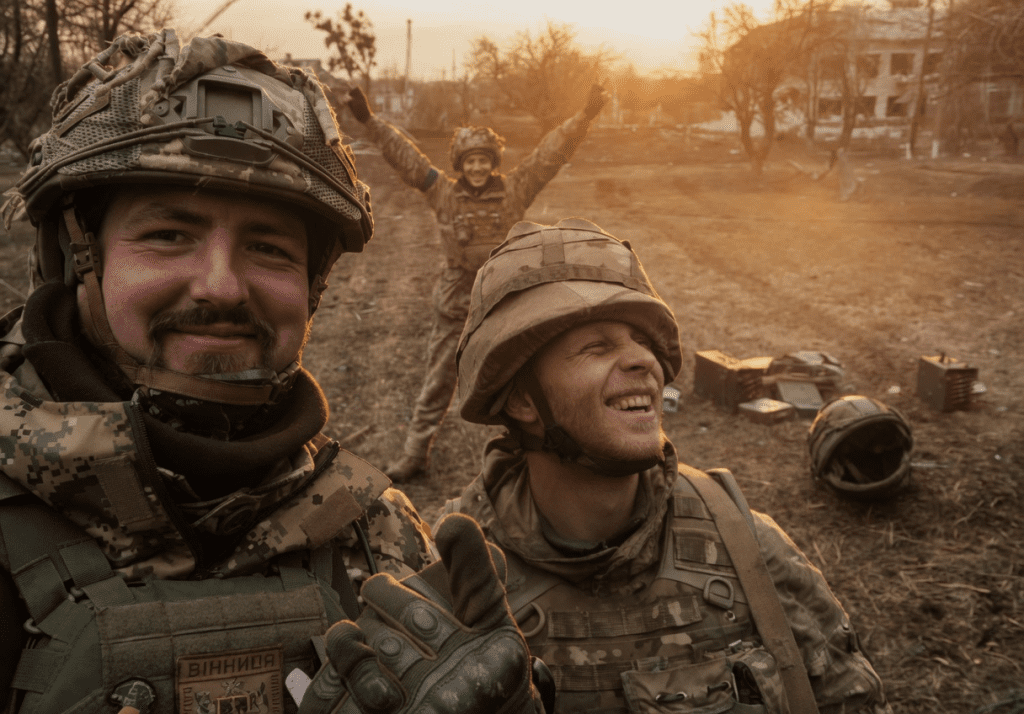
Fighting remains particularly intense in Donetsk Oblast, with both sides reporting daily engagements involving artillery, drones, and infantry operations. Ukrainian forces continue to conduct defensive operations and localized counterattacks, while Russian units pursue incremental advances in several sectors.
Ukrainian leaders have consistently maintained that peace negotiations cannot proceed without the full restoration of Ukraine’s internationally recognized borders. President Volodymyr Zelenskyy and other officials have stressed that any agreement must respect Ukraine’s sovereignty and include strong security guarantees to prevent future aggression.
Russia, on the other hand, has demanded recognition of its territorial gains and limitations on Ukraine’s future security alignments as preconditions for any ceasefire. These fundamentally opposing positions have made meaningful diplomatic progress difficult.
The Human Cost of the Conflict
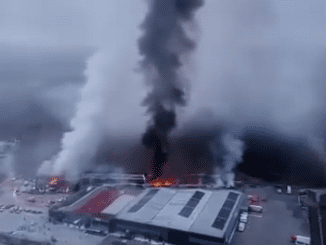
Four years of war have caused immense suffering. Estimates of military and civilian casualties vary widely due to restricted information, but all available data point to tens of thousands of deaths and hundreds of thousands of injuries on both sides. Millions of Ukrainians remain displaced, both inside the country and as refugees abroad.
Civilian infrastructure — including homes, schools, hospitals, and energy facilities — has suffered widespread destruction. The psychological toll on soldiers and civilians alike is profound and will require long-term support and healing.
International humanitarian organizations continue to provide aid, but access to active combat zones remains severely limited. Protecting civilians and ensuring humanitarian corridors where possible remain critical priorities.
The Role of International Support and Diplomacy
The United States, European Union, and other allies have provided substantial military, financial, and humanitarian assistance to Ukraine. This support has been instrumental in Ukraine’s ability to defend itself, but it has also become a subject of political debate in Western capitals.
Periodic diplomatic initiatives and indirect talks have occurred, often mediated by third parties, but core disagreements over territory, security guarantees, and accountability have prevented breakthroughs. Many international actors emphasize that any sustainable peace must respect Ukraine’s sovereignty and territorial integrity as recognized under international law.
Looking Toward Resolution
As the conflict continues, the human and economic costs grow heavier for both nations. Finding a path to de-escalation and eventual peace remains a complex challenge that will require difficult compromises and strong international involvement.
Ukrainian society has shown remarkable resilience and unity in the face of invasion. At the same time, the Russian people also bear significant burdens from the war, including economic strain and loss of life.
The shared hope among many civilians and global observers is that diplomacy, combined with genuine security assurances, can eventually lead to a just and lasting resolution that ends the suffering and allows for reconstruction and reconciliation.
The situation on the ground remains highly fluid. Information from active conflict zones should always be approached with caution and cross-checked with multiple credible sources.
This article presents a neutral overview based on publicly available reports and statements from various parties as of May 2026. Our thoughts remain with all civilians and families affected by the ongoing war. We continue to hope for a peaceful resolution that upholds international law and prioritizes human lives.