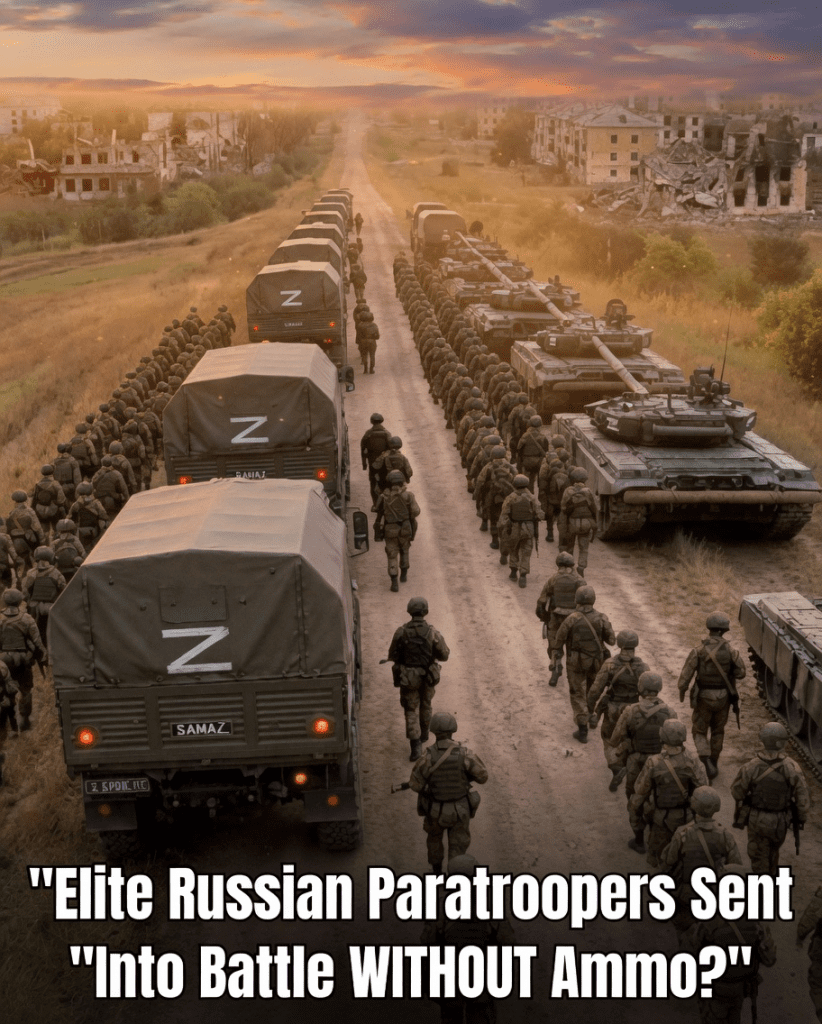
Recent reports from the Pokrovsk sector in Donetsk Oblast, Ukraine, have highlighted significant logistical challenges facing Russian forces amid ongoing high-intensity fighting. According to Ukrainian military sources, elements of Russia’s elite 76th Guards Air Assault Division, specifically units from the 104th Airborne Regiment (known as “Pskov paratroopers”), were deployed in assaults with inadequate ammunition, body armor, helmets, and medical supplies.
These claims, if confirmed, point to strains in Russian rear-area logistics and force readiness as the conflict in eastern Ukraine enters a prolonged phase of attritional warfare.
Reports from the Frontline
The 25th Separate Airborne Sicheslav Brigade of the Ukrainian Armed Forces reported intercepting and neutralizing a Russian assault group near Hryshyne (also referred to as Gishino in some accounts). Radio intercepts allegedly captured Russian commanders issuing urgent orders for troops to scavenge equipment, including body armor, helmets, and weapons, with one commander reportedly instructing soldiers to improvise first-aid kits using personal clothing.
Ukrainian sources also claimed that precision strikes, including an airstrike in the Hryshyne area, resulted in the elimination of approximately 15 soldiers from the 76th Airborne Division. Fighting in the Pokrovsk direction remains among the most intense on the entire front, with both sides engaged in small-group infantry assaults, drone operations, and artillery exchanges across urban ruins and surrounding villages.
Russian forces have continued pressure in the Pokrovsk area even after earlier advances in the region, focusing on flanking maneuvers and infiltration tactics. Independent verification of specific equipment shortages remains limited due to the fog of war, but logistical difficulties have been a recurring theme in analyses of Russian operations throughout the conflict.
The Strategic Context of Pokrovsk
Pokrovsk and its surrounding settlements have been a focal point of Russian offensive efforts for over two years. The town served as a key logistical hub for Ukrainian forces before significant territorial changes in late 2025 and early 2026. As of May 2026, the area continues to see heavy combat as Russian units attempt to push westward and consolidate gains in Donetsk Oblast.
The deployment of elite airborne units like the 76th Division — historically regarded as one of Russia’s more capable formations — in infantry-style assaults suggests high operational tempo and potential manpower pressures. Airborne troops are typically trained for rapid deployment and specialized missions, making their use in sustained ground attacks noteworthy.
Ukrainian defenders, including experienced airborne brigades, have mounted determined resistance using a combination of drones, artillery, and well-prepared defensive positions. The heavy reliance on small assault groups by Russian forces reflects adaptations to Ukrainian drone dominance on the battlefield.
Modern Logistics in High-Intensity Conflict: A Critical Vulnerability
The reports from Pokrovsk underscore a broader challenge in contemporary warfare: sustaining well-equipped forces over extended periods of high-intensity combat. Modern conflicts demand enormous quantities of ammunition, spare parts, fuel, protective gear, and medical supplies. Disruptions anywhere in the supply chain — whether from long-range strikes, production bottlenecks, or transportation issues — can rapidly degrade combat effectiveness.
Key factors affecting logistics in the Russia-Ukraine war include:
- Drone and Precision Strike Threats: Both sides use unmanned systems to target supply convoys, rail lines, depots, and rear areas. This forces constant adaptation, such as dispersing storage, using decoys, and increasing electronic warfare capabilities.
- Sanctions and Production Capacity: Russia has shifted to a wartime economy, increasing domestic production of certain munitions, but quality control and specialized items (advanced body armor, optics, medical kits) remain challenging.
- Manpower and Training: Rapid rotation of units and mobilization can lead to uneven equipment distribution, especially for newly committed formations.
- Terrain and Infrastructure: Donbas’ urban and semi-urban landscape complicates resupply, while destroyed roads and bridges add friction.
Ukraine faces its own logistical hurdles, relying heavily on Western military aid for advanced systems, ammunition, and spare parts. Both militaries have demonstrated innovation — from 3D-printed drone components to battlefield repairs — but sustaining elite units at full readiness remains difficult.
Military analysts note that equipment shortages can erode morale and increase casualties. Troops lacking proper protection are more vulnerable to shrapnel, small arms fire, and drone-dropped munitions, which dominate current tactical realities.
Humanitarian Impact and Civilian Concerns
The Pokrovsk sector has seen significant destruction, with many villages reduced to rubble. Civilian populations in remaining areas face constant danger from artillery, drones, and mines. Humanitarian organizations continue to provide aid where possible, but access remains restricted due to active fighting.
Both sides report losses among military personnel, though independent tallies are difficult to confirm. The human cost of prolonged attritional warfare in Donetsk continues to mount, with families on all sides bearing the emotional and economic burden.
Broader Developments on the Eastern Front
As of early May 2026, the Pokrovsk direction remains one of the most active sectors, alongside areas near Hulyaipole in Zaporizhzhia. Russian forces continue small-scale assaults and infiltration attempts, while Ukrainian units focus on defensive stability, counter-drone operations, and occasional localized counterattacks.
The conflict overall shows no signs of imminent resolution. International observers monitor developments closely, with periodic calls for de-escalation and diplomatic engagement. However, both Russia and Ukraine maintain firm positions on territorial and security issues.
The Evolving Nature of Warfare
The situation near Pokrovsk illustrates how modern conflicts blend traditional ground maneuvers with advanced technology. Drones, electronic warfare, satellite imagery, and real-time communications have transformed tactics. Logistics — once a background concern — now sits at the center of operational success or failure.
For military planners worldwide, the war in Ukraine offers lessons on the importance of resilient supply chains, rapid manufacturing, and protecting rear areas. Nations observing the conflict are investing in domestic production, diversified suppliers, and new technologies to address these vulnerabilities.
A Call for Awareness
As fighting intensifies around Pokrovsk and other areas of Donetsk, the situation remains fluid. Claims from both sides should be approached with caution, as the battlefield information environment is highly contested.
Our thoughts remain with civilians caught in the crossfire and with all personnel serving in the region. The human and material costs of this conflict continue to accumulate, reinforcing the urgent need for efforts toward a sustainable resolution that prioritizes lives and long-term stability.
This article is based on reports from Ukrainian military sources, open-source analysis, and verified media coverage as of May 2026. The situation on the ground is dynamic, with information evolving rapidly. Readers are encouraged to consult multiple credible sources for the latest updates.