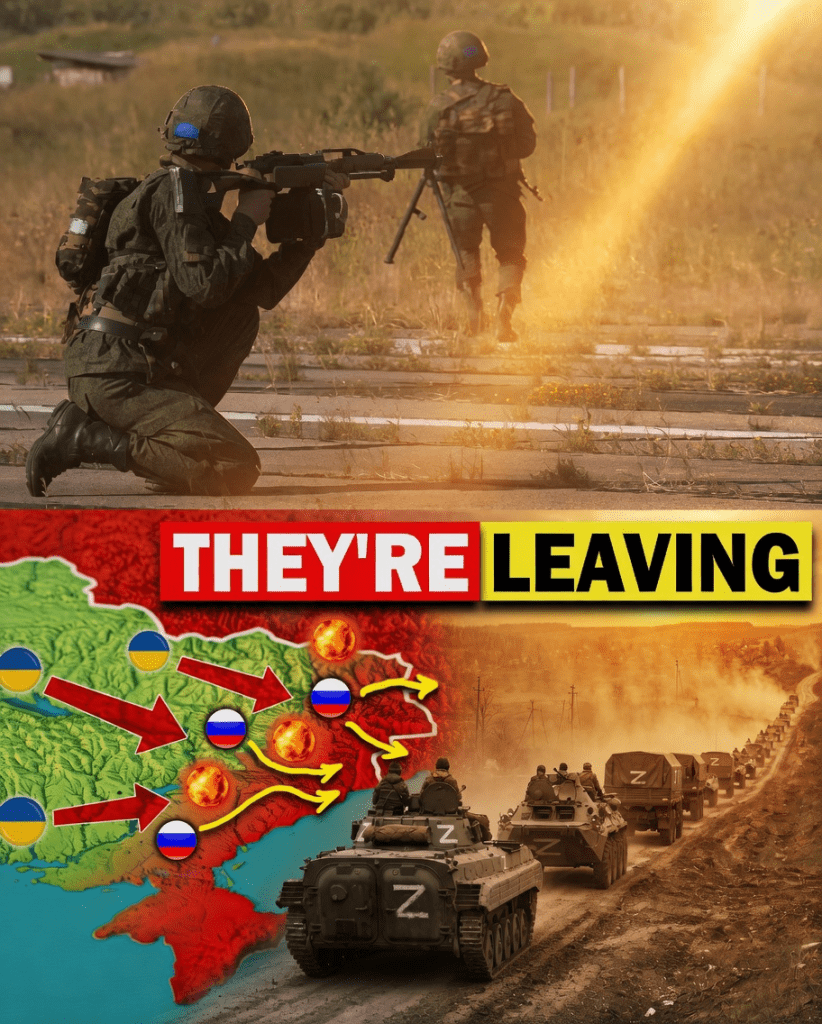
Ukrainian forces have reported continued pressure on Russian positions in eastern Ukraine, with claims of significant daily losses inflicted on Russian units through coordinated drone strikes, artillery, and defensive operations. Some Ukrainian sources have suggested Russian personnel losses averaging around 1,000 per day in certain periods, contributing to reports of slowed Russian advances and localized withdrawals in parts of Donetsk Oblast.
These developments reflect the ongoing attritional nature of the conflict and the increasing effectiveness of Ukrainian unmanned systems and defensive tactics.
Current Battlefield Dynamics
As of May 2026, fighting remains intense in several sectors of Donetsk Oblast, particularly around Pokrovsk and other key towns. Ukrainian military officials state that sustained operations using drones, precision artillery, and well-prepared defensive positions have disrupted Russian assault groups and logistical support.
Russian forces continue small-scale offensive actions in multiple directions but appear to face challenges maintaining momentum. Reports of localized retreats or adjustments in Russian positions have emerged from open-source analysts monitoring geolocated footage and satellite imagery. Russian authorities have not publicly confirmed major withdrawals, instead describing operations as “planned rotations” or “advances according to plan.”
The high reported daily losses — if verified — would align with the intense pace of fighting seen in previous high-activity periods. Independent estimates from Western intelligence and open-source groups often place average daily Russian losses in the hundreds, with spikes during major assaults. Exact figures remain difficult to confirm due to the fog of war and differing methodologies used by each side.
Role of Drone Operations and Ukrainian Tactics
Ukraine has significantly scaled up its use of unmanned aerial systems, including FPV drones, long-range strike drones, and interceptor units. These systems have proven effective at targeting Russian supply convoys, electronic warfare vehicles, and troop concentrations, creating what Ukrainian commanders describe as “kill zones” in contested areas.
Key factors contributing to Ukrainian effectiveness include:
- Mass production of low-cost drones through domestic initiatives
- Improved real-time intelligence integration (such as the DELTA system)
- Better coordination between drone units, artillery, and ground forces
- Rapid adaptation to Russian electronic warfare countermeasures
Russia has responded by increasing the use of glide bombs, fiber-optic drones, and layered air defenses. However, the persistent pressure on Russian logistics has reportedly forced adjustments in operational tempo in some sectors.
Challenges for Russian Forces
Russian units face several documented challenges:
- High consumption of manpower and equipment during repeated assaults
- Strain on logistical networks from Ukrainian deep strikes
- Difficulties in rotating exhausted units
- Adaptation to Ukrainian drone dominance on the battlefield
These pressures have led to reports of slowed advances and, in some cases, localized repositioning. Military analysts note that while Russia maintains numerical advantages in artillery and certain manpower categories, sustaining offensive operations under constant Ukrainian pressure requires significant resources.
Ukrainian Defensive Resilience
Ukraine continues to emphasize layered defenses, mobile reserves, and technological innovation. Despite facing its own manpower and ammunition challenges, Ukrainian forces have demonstrated the ability to hold key positions and conduct effective counter-strikes. International military aid, particularly in drones, air defense systems, and precision munitions, has played an important supporting role.
Humanitarian and Civilian Impact
The intense fighting in Donetsk and other eastern regions continues to take a heavy toll on civilian populations. Communities near the front lines face daily risks from artillery, drones, mines, and unexploded ordnance. Many towns and villages have been severely damaged or destroyed, with residents displaced or living under difficult conditions.
Both sides have reported civilian casualties from the other’s operations. The prolonged conflict has created one of the largest humanitarian crises in Europe in recent decades, with millions displaced and widespread destruction of infrastructure. International humanitarian organizations work to provide aid, but access remains severely limited in active combat zones.
Protecting civilians and adhering to international humanitarian law remain critical concerns for all parties involved.
Broader Strategic Context in May 2026
The conflict has entered a phase characterized by high-intensity attrition warfare. Key factors shaping the current situation include:
- Logistics and supply line security
- Manpower rotation and recruitment
- Technological adaptation, particularly in drone and electronic warfare
- Economic sustainability for prolonged operations
Russia maintains control over significant portions of occupied territory but faces increasing costs in holding and expanding those gains. Ukraine continues to defend key areas while conducting deep strikes to degrade Russian capabilities.
Summer 2026 conditions are expected to improve ground mobility, which could lead to heightened activity on both sides. However, the overall strategic picture remains one of grinding, incremental gains and losses rather than rapid breakthroughs.
International Observations
The international community continues to monitor developments closely. Western intelligence assessments and open-source analysts provide regular updates on battlefield dynamics, though exact casualty figures and territorial changes are often contested.
Diplomatic efforts for de-escalation and peace negotiations remain limited, with significant differences on core issues such as territorial integrity, security guarantees, and accountability. Many global actors emphasize the need to reduce civilian suffering and pursue diplomatic solutions.
The conflict’s wider effects on energy markets, food security, and international stability continue to draw attention from governments and organizations worldwide.
The Human Cost of Prolonged Conflict
Behind every reported loss and tactical movement are human stories of sacrifice, resilience, and suffering. Families on both sides have lost loved ones, communities have been shattered, and entire generations face long-term trauma. The economic and psychological impacts will require decades of recovery.
As the war continues into its fifth year, the importance of protecting civilian lives and seeking pathways toward de-escalation grows ever more urgent.
Looking Ahead
The situation on the battlefield remains highly dynamic. Ukrainian forces report sustained pressure on Russian positions, while Russia maintains offensive efforts in several sectors. Future developments will likely depend on each side’s ability to manage manpower, logistics, and technological adaptation.
International humanitarian and diplomatic efforts will continue in parallel with military operations. The shared hope among many civilians and global observers is for eventual negotiations that can bring lasting stability and reduce suffering for all affected communities.
This article is based on reports from Ukrainian military sources, Russian official statements, open-source analyses, and international media coverage as of May 2026. Claims regarding personnel losses and operational results in active conflict zones are often difficult to independently verify and should be treated with appropriate caution. The situation remains fluid and subject to rapid change. Our thoughts remain with all civilians and families affected by the ongoing war.