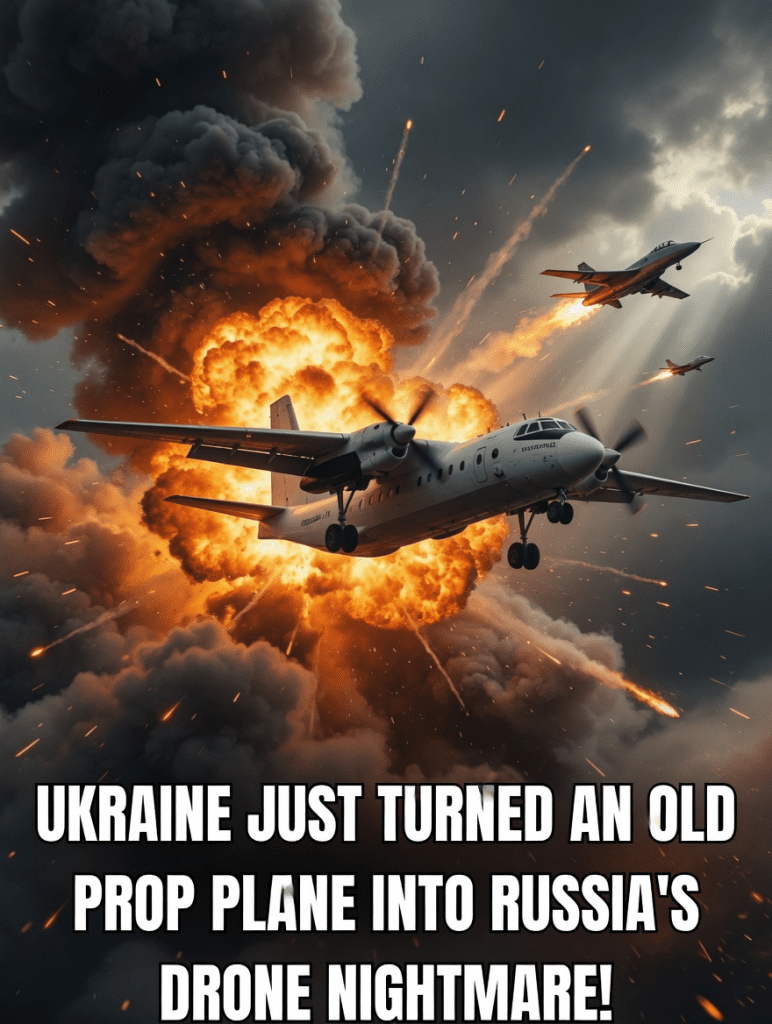
Ukrainian forces and volunteer crews have modified a decades-old Antonov An-28 twin-turboprop utility aircraft into an airborne platform capable of launching interceptor drones. The adaptation allows the aircraft to deploy systems such as the P1-Sun and Merops AS-3 mid-air, enhancing Ukraine’s ability to counter Russian Shahed and Geran-type long-range attack drones.
This innovation reflects Ukraine’s ongoing efforts to maximize existing resources through creative engineering and rapid field adaptation in response to the demands of modern aerial warfare.
Technical Details of the Modified An-28
The Antonov An-28, originally designed in the Soviet era for short-range passenger and cargo transport, has been repurposed with several combat-oriented modifications. Key features include:
- Underwing hardpoints for carrying and launching interceptor drones
- Integration of the Ukrainian-made P1-Sun high-speed interceptor and the Merops AS-3 Surveyor system
- Installation of a side-mounted M134 minigun for close-range engagements
- Enhanced sensor suites, including thermal cameras and operator VR-style interfaces for improved situational awareness
Civilian volunteer crews, often working in coordination with the Ukrainian Air Force, operate the aircraft. It can loiter for extended periods, take off from short or improvised runways, and launch interceptors directly toward incoming threats. Ukrainian sources report that these platforms have achieved numerous confirmed intercepts of Russian Shahed drones, providing a cost-effective layer of defense.
The P1-Sun, developed by the Ukrainian company SkyFall, is a fast, modular interceptor designed for air-to-air engagements. The Merops AS-3 offers additional capabilities for proximity detonation against drone targets. By launching these systems from altitude, the An-28 extends their effective range and response time compared to ground-based launches.
Innovation in Resource-Constrained Warfare
The conversion of the An-28 exemplifies Ukraine’s approach to asymmetric innovation. Facing a larger adversary with significant industrial capacity, Ukrainian engineers and volunteers have focused on repurposing available aircraft, integrating commercial technologies, and developing low-cost solutions tailored to specific battlefield needs.
This “drone carrier” concept allows a single manned aircraft to act as a mobile launch platform, increasing flexibility and reducing reliance on fixed ground infrastructure. It also demonstrates how older utility aircraft can be given new roles in modern conflict, extending their operational lifespan and utility.
Similar adaptations have been observed throughout the conflict, with both sides modifying existing equipment to meet evolving requirements. However, Ukraine’s rapid prototyping and field deployment have drawn particular international attention from defense analysts.
Broader Impact on Aerial Defense
The modified An-28 contributes to Ukraine’s multi-layered air defense strategy against Russian long-range drones. Shahed/Geran drones are used in large numbers to overwhelm defenses and strike energy infrastructure and civilian targets. By intercepting them farther from populated areas, systems like the airborne An-28 help reduce the burden on ground-based air defenses and minimize civilian risk.
This capability complements other Ukrainian developments, including ground-launched interceptors, electronic warfare systems, and traditional surface-to-air missiles. The combination creates a more resilient defense network capable of responding to diverse threats.
Military experts note that the proliferation of affordable interceptor drones is shifting the cost dynamics of air defense. Engaging low-cost attack drones with expensive missiles can be unsustainable over time; solutions like the An-28 platform and dedicated interceptors offer a more economical alternative.
Challenges and Limitations
While innovative, the An-28 platform faces operational challenges:
- Vulnerability of a manned aircraft operating in contested airspace
- Dependence on pilot and crew skill for effective loitering and launch
- Limited payload capacity compared to larger military aircraft
- Need for secure basing and maintenance in wartime conditions
Russia continues to adapt by improving drone tactics, increasing electronic warfare, and deploying more advanced decoys. The technological arms race in unmanned systems remains highly dynamic, with both sides introducing new countermeasures regularly.
Humanitarian and Civilian Considerations
Enhanced air defense capabilities, such as the modified An-28, play an important role in protecting civilian populations from long-range drone attacks. Russian Shahed strikes have caused widespread damage to energy infrastructure, leading to power outages and hardship for millions of Ukrainians, particularly during winter months.
By improving interception rates, systems like this can help reduce civilian casualties and infrastructure damage. However, all military operations carry risks, and international humanitarian law requires parties to take precautions to minimize harm to non-combatants.
The broader conflict continues to create significant humanitarian needs across Ukraine, including support for displaced persons, medical care, and reconstruction of damaged infrastructure.
Strategic Implications for Modern Warfare
The An-28 conversion highlights several emerging trends in contemporary conflict:
- Repurposing of civilian and legacy aircraft for military roles
- Integration of manned and unmanned systems in combined operations
- Emphasis on cost-effective, attritable solutions rather than solely high-end platforms
- Rapid innovation cycles driven by battlefield necessities
Defense establishments worldwide are observing these developments closely. The lessons from Ukraine regarding drone carriers, interceptor tactics, and resourcefulness under pressure are likely to influence future aircraft design, unmanned systems doctrine, and procurement strategies in many countries.
International Partnerships and Technology Development
Ukraine’s defense innovation benefits from partnerships with Western technology firms and governments. Collaborative projects involving sensors, communications, and software have accelerated the development of systems like the P1-Sun and Merops. These partnerships provide not only immediate military support but also opportunities to test and refine technologies in real-world conditions.
Such cooperation underscores the global nature of technological development in the conflict and its potential long-term impact on international defense industries.
Looking Ahead
As the conflict continues into 2026, both sides are expected to further refine their unmanned and aerial capabilities. Summer conditions may facilitate increased operational activity, including more frequent use of airborne platforms like the modified An-28.
The situation remains highly fluid. While innovations such as the An-28 drone carrier demonstrate Ukraine’s adaptability, the overall strategic picture is shaped by multiple factors, including manpower, logistics, international support, and economic sustainability.
The shared hope among many civilians and international observers is for eventual de-escalation and a negotiated resolution that can reduce suffering and address underlying security concerns while prioritizing civilian protection and long-term recovery.
This article is based on reports from Ukrainian military and volunteer sources, open-source analyses, verified footage, and international media coverage as of May 2026. Claims regarding specific kill counts and operational effectiveness should be treated with appropriate caution, as independent verification in active conflict zones is challenging. The situation remains dynamic and subject to rapid change. Our thoughts remain with all civilians and families affected by the ongoing war.