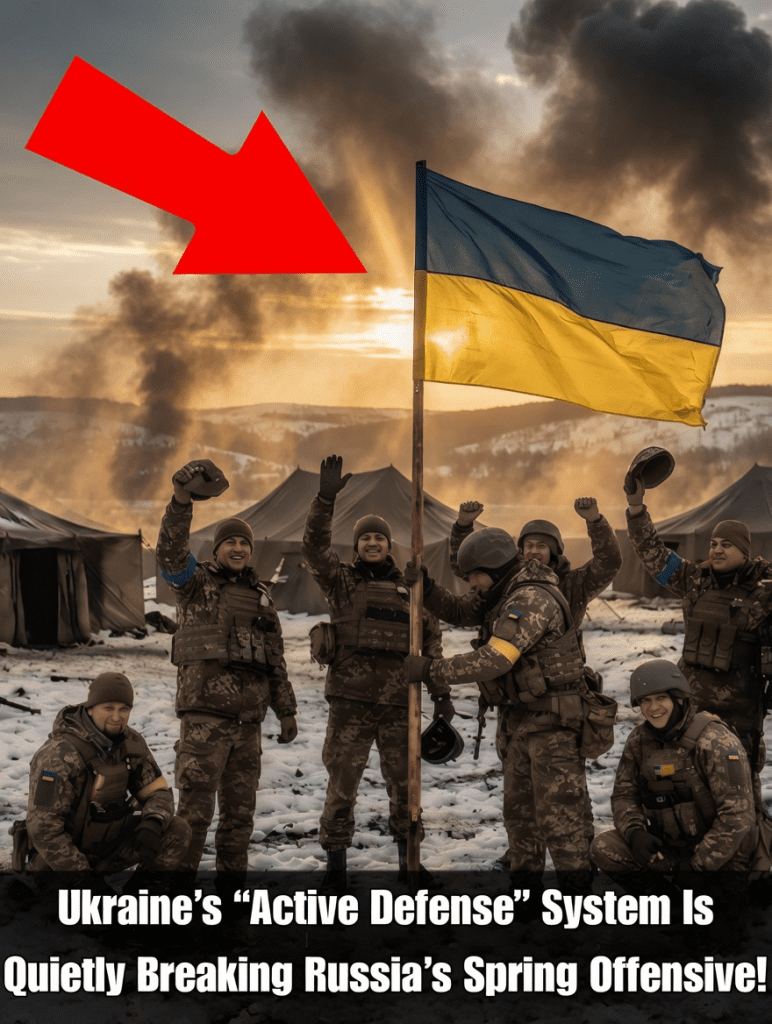
Ukrainian forces have increasingly relied on what they describe as “active defense” — a flexible combination of precision drone strikes, targeted counterattacks, and systematic attrition tactics across multiple sectors of the front. Rather than engaging in large-scale direct confrontations with Russian mass assaults, Ukrainian units are focusing on identifying and exploiting weaknesses in Russian logistics, command structures, and air defense systems.
This approach has reportedly contributed to slowing Russian advances in several areas while inflicting significant losses, particularly through the expanded use of unmanned aerial systems.
Understanding Ukraine’s Active Defense Strategy
“Active defense” involves proactive operations designed to disrupt enemy momentum without committing to costly, large-scale offensives. Key elements include:
- Precision strikes on supply convoys, fuel depots, and electronic warfare assets using drones and artillery
- Targeted counterattacks on exposed Russian positions
- Systematic degradation of Russian command-and-control networks
- Layered defensive lines supported by mobile reserves and drone surveillance
Ukrainian military officials state that this strategy allows them to conserve manpower and resources while imposing unsustainable costs on Russian forces over time. By focusing on logistics and rear-area support, Ukrainian units aim to reduce the effectiveness of Russian frontline assaults.
Operations in Key Sectors
In recent months, Ukrainian forces have concentrated efforts in several critical areas:
- Zaporizhzhia Region: Ukrainian units have conducted localized counterattacks and drone operations aimed at Russian logistical routes and forward positions. These actions have reportedly helped stabilize parts of the front and prevent deeper Russian advances toward key infrastructure.
- Kupiansk Direction: Ukrainian defenders have maintained pressure on Russian positions while conducting targeted strikes on supply lines. The area remains highly contested, with both sides reporting intense daily engagements.
Open-source analysts and satellite imagery have shown evidence of shifting front lines and increased destruction of Russian equipment in these sectors, although exact territorial changes are often difficult to verify in real time.
Reports from March 2026 indicated elevated Russian personnel losses, with a significant portion attributed to Ukrainian drone operations. Precision FPV drones and longer-range strike systems have become particularly effective at targeting troop concentrations, vehicles, and command posts.
The Central Role of Drone Technology
Drones have become one of the most influential factors in the current phase of the conflict. Ukraine has scaled up production of various unmanned systems, including reconnaissance drones, FPV strike drones, and long-range platforms. These systems provide real-time intelligence and enable precise attacks while minimizing risk to Ukrainian personnel.
Russia has responded by expanding its own drone fleet and investing heavily in electronic warfare to jam Ukrainian systems. The ongoing competition between drone technology and countermeasures continues to drive rapid innovation on both sides.
Military analysts note that the high volume of drone usage has transformed traditional battlefield dynamics. Large-scale armored maneuvers have become riskier and more expensive, while small-unit tactics, electronic warfare, and logistical interdiction have gained prominence.
Challenges Facing Both Sides
Despite Ukrainian tactical successes, the conflict remains extremely demanding for both parties:
For Ukraine:
- Persistent challenges with manpower rotation and recruitment
- Dependence on international support for ammunition and advanced systems
- Need to protect critical infrastructure from Russian long-range strikes
For Russia:
- High consumption of manpower and equipment during repeated assaults
- Logistical strain caused by Ukrainian deep strikes
- Difficulties maintaining offensive momentum under sustained pressure
Both sides face significant economic costs from the prolonged war. The high rate of equipment loss and the need for continuous production place strain on industrial capacity and national budgets.
Humanitarian and Civilian Impact
The fighting across eastern and southern Ukraine continues to exact a heavy toll on civilian populations. Communities near the front lines face daily risks from artillery, drones, mines, and unexploded ordnance. Many towns and villages have suffered extensive destruction, with residents displaced or living under severe hardship.
Both Ukrainian and Russian authorities have reported civilian casualties from the other side’s operations. The prolonged conflict has created one of the largest humanitarian crises in Europe in recent decades, with millions displaced and widespread damage to infrastructure, healthcare, and education systems.
International humanitarian organizations work to provide aid, but access remains severely limited in active combat zones. Protecting civilians and adhering to international humanitarian law remain critical priorities for observers monitoring the conflict.
Broader Strategic Context in May 2026
As the war enters its fifth year, the overall picture is one of grinding attrition rather than rapid decisive victories. Russia maintains control over significant portions of occupied Ukrainian territory but faces increasing costs in holding and expanding those gains. Ukraine continues to defend key positions while conducting operations to degrade Russian capabilities.
Summer weather conditions in 2026 are expected to improve ground mobility, which could lead to heightened activity across multiple fronts. Logistics, air defense, and technological adaptation will likely remain decisive factors in the coming months.
International Observations
The international community continues to monitor developments closely. Ukraine’s active defense strategy and the growing role of drone technology are of particular interest to defense analysts worldwide. Many countries are studying the conflict to inform their own military modernization programs and strategies for future conflicts.
Diplomatic efforts for de-escalation and peace negotiations remain limited, with significant differences persisting on core issues such as territorial integrity, security guarantees, and accountability. Global attention also focuses on the conflict’s wider effects on energy markets, food security, and international relations.
Looking Ahead
The situation on the battlefield remains highly dynamic. Ukrainian forces report continued implementation of active defense tactics, while Russia maintains pressure in several sectors. Future developments will likely depend on each side’s ability to manage manpower, logistics, technological adaptation, and international support.
As summer 2026 progresses, operational activity may increase. The shared hope among many civilians and international observers is for eventual de-escalation and a negotiated resolution that can reduce suffering and address underlying security concerns while prioritizing civilian protection and long-term recovery.
The conflict has already reshaped European security and demonstrated the resilience of the Ukrainian people. The coming months will continue to test the determination and adaptability of all parties involved.
This article is based on reports from Ukrainian military sources, open-source analyses, and international media coverage as of May 2026. Information from active conflict zones is often contested and should be cross-checked with multiple credible sources. Our thoughts remain with all civilians and families affected by the ongoing war in Ukraine and Russia.