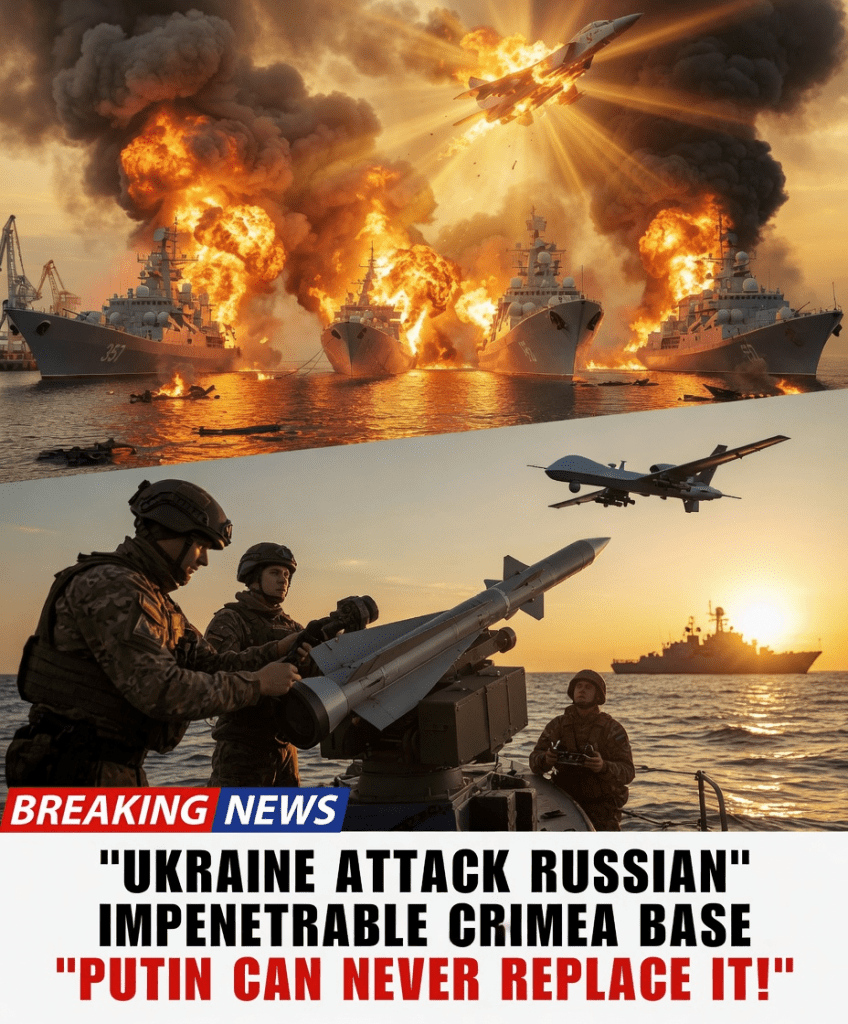
Ukrainian forces carried out a large-scale overnight drone operation targeting Russian military positions in occupied Crimea, focusing on naval vessels in the Kerch Strait area and assets near Sevastopol. The strikes reportedly hit patrol boats and other infrastructure, with Russian sources confirming some damage and casualties.
This incident reflects the continued evolution of long-range unmanned systems in the Black Sea theater and the persistent challenges both sides face in protecting strategic assets in the region.
Details of the Operation
According to Ukrainian military reporting, the coordinated drone attack involved multiple waves targeting Russian naval and coastal assets. Specific vessels mentioned include patrol boats operating in the Kerch Strait, an important waterway connecting the Black Sea and the Sea of Azov. Russian authorities acknowledged that air defenses engaged incoming drones, but confirmed that some strikes reached their targets, resulting in damage to vessels and reported casualties among Russian personnel.
Sevastopol, home to Russia’s Black Sea Fleet headquarters, has been a frequent target throughout the conflict due to its strategic naval importance. The latest strikes add to a series of Ukrainian operations aimed at degrading Russian naval capabilities and disrupting logistics routes supporting forces in southern Ukraine and Crimea.
Independent verification of exact damage levels remains limited due to restricted access in the conflict zone. Both sides have released statements and, in some cases, footage related to the engagements, but full assessments are still ongoing.
Crimea’s Enduring Strategic Role
Since 2014, Crimea has served as a critical military outpost for Russia in the Black Sea region. The peninsula hosts major naval bases, airfields, logistics hubs, and air defense systems that support operations across southern Ukraine. The Kerch Strait and the Crimean Bridge are particularly vital for transporting supplies, equipment, and personnel between mainland Russia and occupied territories.
For Ukraine, weakening Russian control or operational capacity in Crimea remains a key long-term objective. Disrupting naval assets and logistics in the area aims to limit Russia’s ability to project power, protect supply lines, and threaten Ukrainian coastal regions. The Black Sea’s importance extends beyond the immediate conflict, influencing grain exports, energy routes, and maritime security for multiple nations.
Evolution of Drone Tactics in the Black Sea
The latest strikes demonstrate ongoing advancements in Ukrainian unmanned aerial and maritime systems. Ukraine has developed a range of drone technologies specifically suited for operations against naval targets, including sea drones and long-range aerial platforms capable of striking moving vessels.
Key tactical elements observed in recent operations include:
- Coordinated multi-wave attacks designed to overwhelm air defenses
- Use of decoys and electronic countermeasures
- Precision guidance systems for targeting ships and port infrastructure
- Integration of real-time intelligence from reconnaissance assets
Russia has responded by strengthening air and coastal defenses, deploying additional patrol vessels, and improving electronic warfare capabilities around key sites. The cat-and-mouse dynamic between Ukrainian strike systems and Russian defensive measures continues to drive rapid innovation on both sides.
Impact on Russian Naval Operations
The Black Sea Fleet has faced significant challenges since the start of the full-scale invasion. Repeated Ukrainian strikes have damaged or sunk several vessels, forced relocations of assets, and limited operational freedom. The Kerch Strait area, in particular, has seen heightened activity as Russia seeks to maintain secure supply routes to Crimea.
Losses or damage to patrol boats and support vessels increase the burden on remaining assets and raise operational costs. Analysts note that while Russia maintains a numerical advantage in certain naval categories, sustaining operations under constant threat requires substantial resources and tactical adjustments.
Broader Context of the Conflict in May 2026
The strikes in Crimea occur amid ongoing fighting across multiple fronts, particularly in Donetsk Oblast. Both sides continue to rely heavily on drones, artillery, and precision munitions in a conflict characterized by high consumption rates and technological adaptation.
Summer conditions in 2026 are expected to improve mobility and potentially increase the tempo of operations. Naval and aerial activities in the Black Sea remain critical components of the wider strategic picture, influencing not only military outcomes but also regional economic stability.
International shipping and grain exports through the Black Sea continue to face risks, with implications for global food security and energy markets. Turkey’s role in regulating access through the Bosporus Strait adds another layer of diplomatic complexity to the maritime dimension of the conflict.
Humanitarian and Civilian Considerations
Military operations in and around Crimea affect civilian populations on the peninsula and in coastal areas. Strikes near populated zones or critical infrastructure can lead to power disruptions, transportation challenges, and risks to non-combatants. Russian authorities have reported civilian impacts from Ukrainian strikes, while Ukraine reports civilian casualties and infrastructure damage from Russian attacks elsewhere.
The prolonged conflict has created significant humanitarian needs across the region, including support for displaced persons, medical care, and reconstruction. International organizations continue efforts to deliver aid where access is possible, though active combat zones present major obstacles.
Adherence to international humanitarian law, particularly the principles of distinction and proportionality in attacks, remains a key concern for observers monitoring the conflict.
Technological Innovation and Future Naval Drone Warfare
The Black Sea has become a prominent testing ground for modern naval drone technology. Ukraine’s development of sea drones and coordinated aerial-maritime operations has demonstrated how relatively affordable unmanned systems can challenge traditional naval power.
These developments have drawn attention from military analysts worldwide. Key lessons include:
- The vulnerability of large surface vessels to small, agile unmanned threats
- The importance of layered defenses combining kinetic and electronic warfare
- The cost asymmetry between expensive warships and low-cost attack drones
- The need for rapid adaptation and innovation in maritime security
Both Russia and Ukraine continue to invest in new technologies, with implications that extend far beyond the current conflict. Many nations are reassessing their naval strategies in light of these real-world experiences.
International Monitoring and Regional Stability
The international community continues to monitor developments in the Black Sea region closely. Any escalation involving naval assets or critical infrastructure raises concerns about broader stability, shipping safety, and potential environmental risks from damaged vessels or facilities.
Diplomatic efforts for de-escalation and peace negotiations remain limited, with significant differences persisting on core issues. Global actors emphasize the need to protect civilian lives and maintain open channels for dialogue even amid active hostilities.
The Human and Economic Costs
The conflict in Ukraine has caused immense suffering and destruction. Behind every reported strike are human stories of loss, resilience, and uncertainty. Families on both sides continue to bear heavy burdens, while economies face long-term challenges from sustained military spending and infrastructure damage.
The high-tech nature of the war does not diminish its human reality. As capabilities evolve, the importance of protecting civilians and seeking pathways toward resolution grows ever more urgent.
Looking Ahead
The situation in Crimea and the wider Black Sea theater remains fluid. Future operations will likely continue to feature advanced drone tactics as both sides adapt to new realities. Summer months may bring increased activity, while international diplomatic and humanitarian efforts persist in the background.
The role of naval and aerial drones is expected to remain central to developments in the region. Understanding these dynamics is essential for assessing potential future trajectories of the conflict and its broader implications.
This article is based on reports from Ukrainian military sources, Russian official statements, and international media coverage as of May 2026. Information from active conflict zones is often contested and should be cross-checked with multiple credible sources. Our thoughts remain with all civilians and families affected by the ongoing war.