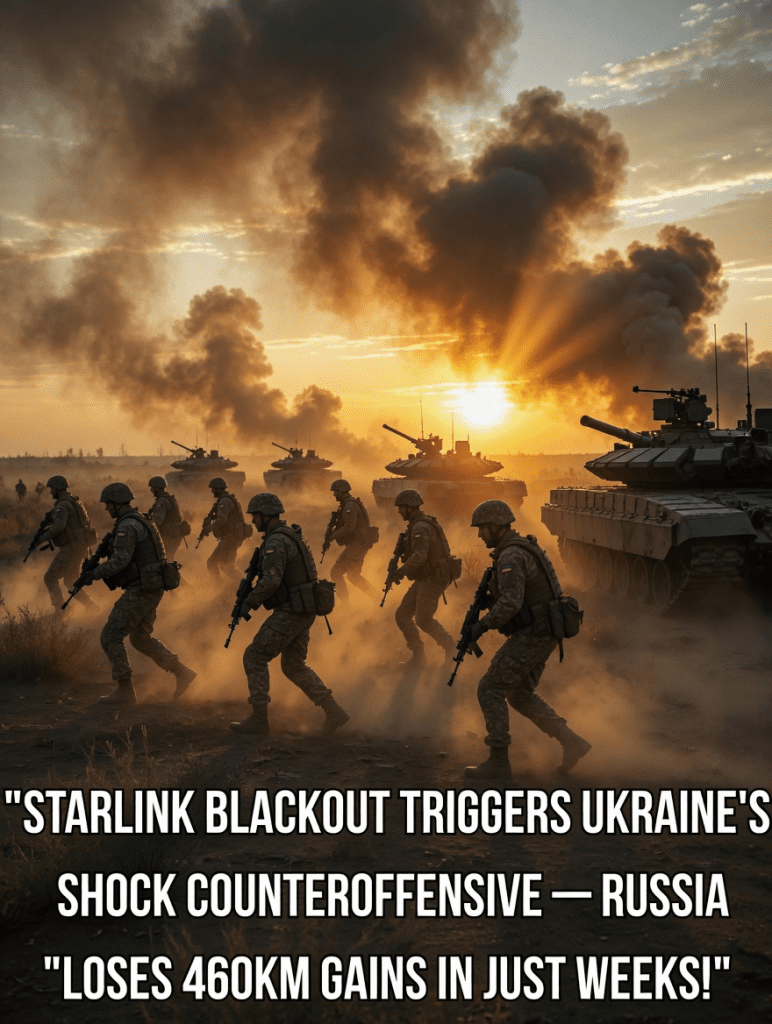
In February 2026, Ukrainian forces launched a significant counteroffensive in the Zaporizhzhia region of southern Ukraine. According to Ukrainian military sources, the operation resulted in the recapture of more than 460 square kilometers of territory, including eight settlements previously under Russian control. The advances reportedly reversed many Russian gains made toward Zaporizhzhia city over the preceding months.
This development highlights the fluid and attritional nature of the conflict, where territorial control can shift through coordinated operations and disruptions in enemy command and logistics.
Details of the Zaporizhzhia Counteroffensive
Ukrainian units, including elite formations, conducted rapid strikes following reports of disrupted Russian communications, including the temporary disablement of Starlink terminals on the Russian side. The operation combined ground maneuvers, drone strikes, and artillery support to exploit temporary weaknesses in Russian coordination.
Ukrainian forces reclaimed territory that had taken Russian units months to capture, demonstrating improved tactical execution and the ability to capitalize on logistical or communication vulnerabilities. The liberated settlements included areas that had been under Russian control since earlier phases of the invasion.
Russian authorities have not provided detailed public confirmation of the territorial losses but have acknowledged intense fighting in the Zaporizhzhia direction. Open-source analysts using satellite imagery and geolocated footage have documented changes in the front line consistent with Ukrainian claims, though full independent verification of exact square kilometers remains ongoing.
Strategic Importance of the Zaporizhzhia Region
Zaporizhzhia Oblast holds considerable strategic value for both sides. The region contains critical infrastructure, including Europe’s largest nuclear power plant (Zaporizhzhia NPP), major industrial facilities, and important agricultural lands. Control of the area influences access routes to the Dnipro River and affects operations in both southern and eastern Ukraine.
For Russia, advances in Zaporizhzhia were intended to secure a land corridor toward occupied Crimea and create pressure on Ukrainian defensive lines. For Ukraine, regaining territory in the region protects key population centers, restores access to agricultural and industrial resources, and prevents further Russian encroachment toward the Dnipro River.
The February counteroffensive represents one of the more significant Ukrainian territorial gains in the southern theater since the 2022–2023 period, though the overall front remains highly contested.
The Role of Communications and Technology
The reported disruption of Starlink terminals on the Russian side during the operation underscores the critical importance of reliable satellite communications in modern warfare. Starlink has been widely used by both Ukrainian and Russian forces for command, coordination, and real-time intelligence. Temporary disruptions can create windows of opportunity for rapid advances by degrading an adversary’s situational awareness and unit coordination.
This incident adds to a growing body of evidence showing how electronic warfare, cyber operations, and satellite system vulnerabilities play decisive roles on the contemporary battlefield. Both sides continue to develop countermeasures, including alternative communication networks and jamming-resistant technologies.
Ukraine’s success in the operation also reflects broader improvements in drone usage, artillery coordination, and mobile warfare tactics. The ability to integrate these elements effectively has allowed Ukrainian forces to achieve localized superiority despite facing a numerically larger opponent in certain sectors.
Broader Context of the Conflict in 2026
As of May 2026, the Russia-Ukraine war has entered its fifth year and remains characterized by high-intensity attrition warfare. Key areas of activity include:
- Intense fighting in Donetsk Oblast, particularly around Pokrovsk
- Operations in Zaporizhzhia and Kharkiv regions
- Periodic strikes on infrastructure and rear-area targets on both sides
Russia maintains control over significant portions of occupied Ukrainian territory but faces increasing costs in manpower, equipment, and logistics. Ukraine continues to defend key positions, conduct counteroffensives where opportunities arise, and carry out deep strikes to degrade Russian sustainment capabilities.
Both sides face substantial challenges:
- Manpower rotation and recruitment
- Logistical sustainment under constant pressure
- High consumption rates of munitions and equipment
- Adaptation to evolving drone and electronic warfare tactics
Summer weather conditions in 2026 are expected to improve ground mobility, potentially leading to heightened activity across multiple fronts.
Humanitarian and Civilian Impact
The fighting in Zaporizhzhia and other regions continues to exact a heavy toll on civilian populations. Communities near the front lines have suffered extensive destruction, displacement, and loss of essential services. Many residents have been forced to flee, while those remaining face daily risks from artillery, drones, mines, and unexploded ordnance.
The prolonged conflict has created one of the largest humanitarian crises in Europe in recent decades. International organizations report millions displaced, widespread damage to infrastructure, and significant needs in healthcare, education, and housing. Aid delivery remains challenging in active combat zones.
Protecting civilians and adhering to international humanitarian law remain critical priorities. Both Ukrainian and Russian authorities have reported civilian casualties from the other side’s operations throughout the war.
Economic and Strategic Implications
Territorial changes, even at the scale of hundreds of square kilometers, carry symbolic and practical weight. Recapturing land restores access to agricultural resources, population centers, and psychological momentum. However, the overall conflict remains one of incremental gains and high costs rather than rapid decisive victories.
The economic burden on both nations is enormous. Billions have been spent on military operations, while reconstruction needs in liberated and damaged areas continue to grow. International support for Ukraine, including military aid and financial assistance, plays a significant role in sustaining its defense efforts.
International Monitoring and Diplomatic Outlook
The international community continues to monitor the situation closely. Developments in Zaporizhzhia and other key regions are noted for their potential impact on regional stability and broader security dynamics. Many governments and organizations have reiterated calls for de-escalation and diplomatic engagement to reduce civilian suffering.
While periodic discussions about ceasefires and peace negotiations occur, significant differences persist on core issues such as territorial integrity, security guarantees, and accountability. Global attention also focuses on the conflict’s wider effects on energy markets, food security, and international relations.
Looking Ahead
The situation in Zaporizhzhia and across the broader front remains fluid. Ukrainian forces have demonstrated the ability to conduct effective counteroffensives, while Russia maintains pressure in several sectors. Future developments will likely depend on each side’s ability to manage manpower, logistics, technological adaptation, and international support.
Summer 2026 conditions may facilitate increased operational activity. The shared hope among many civilians and international observers is for eventual de-escalation and a negotiated resolution that can reduce suffering and address underlying security concerns while prioritizing civilian protection and long-term recovery.
The conflict has already reshaped European security and demonstrated the resilience of both nations. The coming months will continue to test the determination and adaptability of all parties involved.
This article is based on reports from Ukrainian military sources, open-source analyses, satellite imagery, and international media coverage as of May 2026. Information from active conflict zones is often contested and should be cross-checked with multiple credible sources. Our thoughts remain with all civilians and families affected by the ongoing war in Ukraine and Russia.