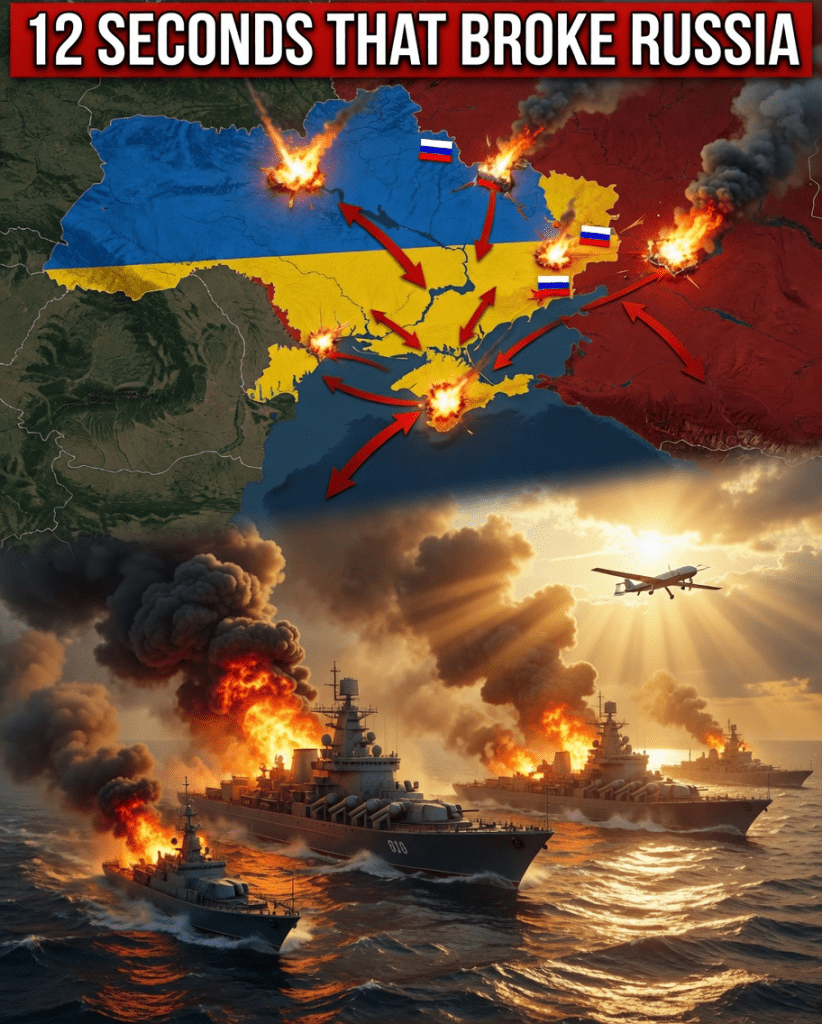
Ukrainian forces have reportedly conducted targeted drone operations in occupied Crimea using fiber-optic guided drones launched from modified Antonov An-28 aircraft. The strikes focused on Russian electronic warfare vehicles and associated radar and air defense assets, exploiting brief operational windows when jamming antennas are retracted.
This approach demonstrates Ukraine’s ongoing efforts to adapt unmanned systems to counter advanced Russian electronic warfare capabilities in contested environments.
Details of the Reported Operations
According to Ukrainian military and volunteer sources, fiber-optic guided drones were deployed from modified An-28 utility aircraft to strike Russian jamming vehicles and related infrastructure in Crimea. The operations reportedly took advantage of short 8–12 second windows during which Russian electronic warfare systems retract their antennas for mechanical reasons, creating temporary vulnerabilities.
These strikes are said to have damaged high-value radar and air defense components, reducing the effectiveness of Russian jamming that had previously neutralized large numbers of Ukrainian drones. The use of fiber-optic guidance helps the drones resist electronic interference, allowing them to maintain control and accuracy even in heavily jammed areas.
The operations occurred in the period surrounding Russia’s Victory Day celebrations on May 9, 2026, a time when Russian authorities had publicly referenced ceasefire intentions in some contexts. However, military activity continued across multiple fronts, including in Crimea.
Russian authorities have not issued detailed official confirmation of damage at specific sites but have acknowledged increased Ukrainian drone activity in the region and activation of air defense systems.
Technical Innovation: Fiber-Optic Drones and the Modified An-28
The modified Antonov An-28 serves as a mobile airborne launch platform. Originally a civilian utility aircraft, it has been adapted with underwing hardpoints for drone carriage, enhanced sensors, and operator stations. This configuration allows the aircraft to loiter at altitude, extend the effective range of launched drones, and operate from shorter or improvised runways.
Fiber-optic guided drones represent a significant technical adaptation. Unlike radio-controlled systems that are vulnerable to jamming, fiber-optic versions maintain a physical data link via a thin optical cable, making them highly resistant to electronic warfare. This technology enables precise strikes even against sophisticated Russian jamming vehicles.
The combination of airborne launch and fiber-optic guidance allows Ukrainian forces to bypass some traditional defensive layers, targeting high-value assets that are otherwise difficult to reach.
Strategic Importance in Crimea
Crimea remains a critical military hub for Russian operations in the Black Sea region. Electronic warfare and air defense assets in the peninsula play a key role in protecting naval facilities, the Crimean Bridge, supply routes, and occupied territories in southern Ukraine.
Disrupting these systems can reduce Russia’s ability to detect and neutralize Ukrainian drones, potentially opening corridors for further strikes on logistical and command targets. Such operations contribute to a broader Ukrainian strategy of imposing sustained pressure on Russian rear areas and degrading their sustainment capabilities.
Russia has invested heavily in layered air defenses and electronic warfare in Crimea. The reported Ukrainian success in exploiting brief mechanical vulnerabilities highlights the challenges of maintaining constant protection of complex systems in dynamic combat environments.
Evolving Role of Unmanned Systems in Modern Warfare
The conflict in Ukraine has become one of the most intensive testing grounds for drone technology in history. Both sides have rapidly developed and deployed thousands of unmanned systems, leading to significant innovations in:
- Guidance and control systems resistant to jamming
- Airborne launch platforms for extended range
- Low-cost, attritable munitions
- Integration of manned and unmanned operations
Ukraine’s approach emphasizes rapid prototyping, volunteer involvement, and creative repurposing of existing aircraft and technology. Russia has responded with mass production of Shahed-type drones, advanced electronic warfare systems, and its own adaptations in guidance technology.
Military analysts note that the increasing use of resilient unmanned systems is shifting cost calculations in warfare. Engaging expensive traditional assets with low-cost drones can create favorable asymmetry for the side with stronger innovation and production capacity.
Challenges Facing Both Sides
Despite Ukrainian innovations, significant challenges remain for both parties:
- Russia continues to improve jamming effectiveness and protective measures for high-value assets
- Ukraine faces limitations in payload capacity, production scale, and vulnerability of launch platforms
- Both sides deal with high consumption rates of drones and munitions
- Logistical, manpower, and maintenance issues persist across all fronts
The technological arms race requires constant adaptation, with each new capability quickly met by countermeasures.
Humanitarian and Civilian Impact
Military operations in Crimea and surrounding areas affect civilian populations. Strikes on or near military infrastructure can cause collateral damage, power disruptions, and risks to non-combatants. Both Ukrainian and Russian authorities have reported civilian casualties and infrastructure damage from the other side’s operations.
The prolonged conflict has created substantial humanitarian needs across the region, including support for displaced persons, medical care, and reconstruction. International humanitarian organizations continue efforts to provide aid where access is possible, though active combat zones severely limit delivery.
Protecting civilians and adhering to international humanitarian law remain critical priorities for observers monitoring the conflict.
Broader Context in May 2026
The reported operations in Crimea occur amid ongoing fighting across multiple fronts in Ukraine, with notable activity in Donetsk Oblast and other eastern and southern regions. Logistics, air defense, and technological adaptation continue to shape operational capabilities on both sides.
Summer conditions in 2026 are expected to improve mobility and potentially increase the tempo of aerial and drone operations. The Black Sea region remains strategically important for naval activities, grain exports, and regional security.
International Monitoring and Diplomatic Outlook
The international community continues to monitor developments in Crimea and the wider conflict closely. Incidents involving advanced drone operations are noted for their potential to influence escalation dynamics and broader stability in the Black Sea area.
Many governments and organizations have called for de-escalation and renewed diplomatic efforts to reduce civilian suffering. While periodic discussions about ceasefires take place, significant differences persist on core issues such as territorial integrity, security guarantees, and accountability.
Global attention remains focused on the humanitarian situation and the conflict’s wider effects on energy markets, food security, and international relations.
Economic and Logistical Implications
Strikes on electronic warfare and air defense assets add to the costs of sustaining military operations. Repair work, enhanced protective measures, and asset dispersal require significant resources. Both economies face challenges from the prolonged high consumption of equipment and munitions.
Economic resilience and industrial capacity are becoming increasingly important factors in the conflict’s long-term dynamics.
Looking Ahead
The situation in Crimea and across the broader theater remains fluid. Both sides are expected to continue adapting their unmanned systems and countermeasures as the technological competition intensifies.
As summer 2026 progresses, operational activity may increase. The shared hope among many civilians and international observers is for eventual de-escalation and a negotiated resolution that can reduce suffering and address underlying security concerns while prioritizing civilian protection and long-term recovery.
The conflict demonstrates how modern warfare increasingly depends on technological adaptability, logistics, and innovation. Understanding these dynamics is essential for assessing potential future developments in the region.
This article is based on reports from Ukrainian military and volunteer sources, Russian official statements, open-source analyses, and international media coverage as of May 2026. Information from active conflict zones is often contested and should be cross-checked with multiple credible sources. Our thoughts remain with all civilians and families affected by the ongoing war in Ukraine and Russia.