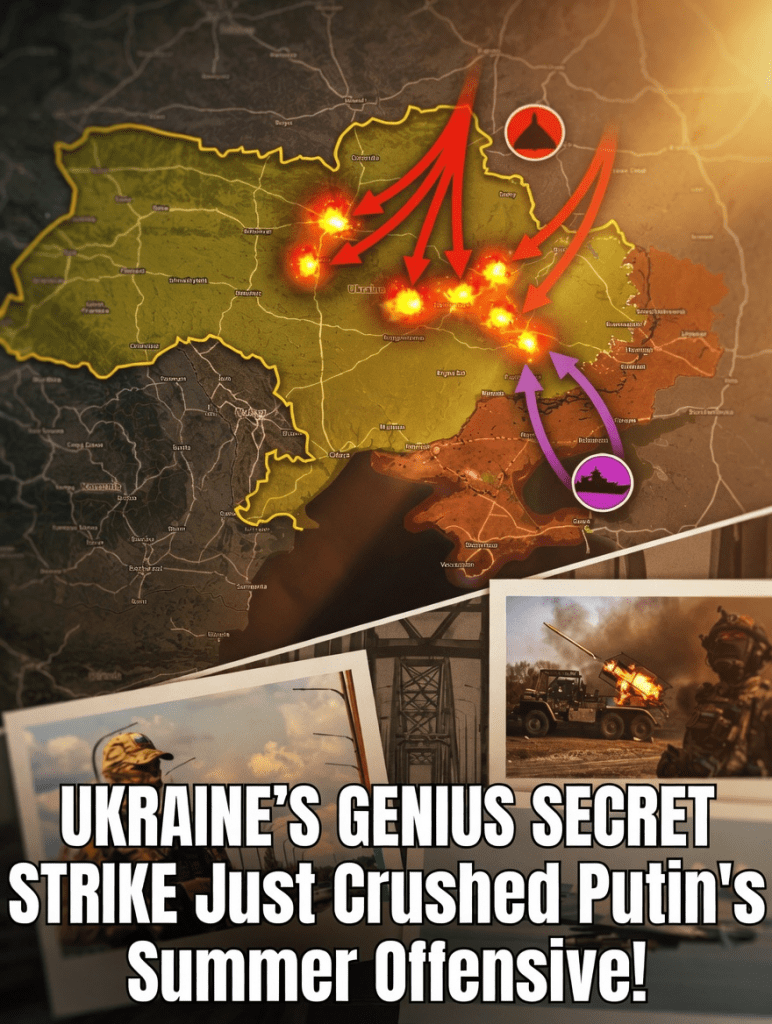
Reports indicate that Ukrainian forces have conducted operations in Russia’s Kursk and Belgorod border regions, prompting Russian military commanders to redeploy significant numbers of troops from other sectors. These actions appear to have influenced Russian operational planning in eastern Ukraine, particularly in the Donetsk region.
Meanwhile, fighting continues in key areas such as Dobropillia and Pokrovsk, where Ukrainian units report holding defensive positions and conducting localized counterattacks.
Developments in Kursk and Belgorod Regions
In recent weeks, Ukrainian forces have maintained pressure through cross-border operations in Russia’s Kursk and Belgorod oblasts. According to open-source analysts and Ukrainian military statements, these activities have forced Russia to divert troops and resources away from frontline positions in Donbas to reinforce border security.
Russian authorities have acknowledged increased Ukrainian activity in the border areas and reported conducting counter-operations. The deployments have reportedly strained Russian logistics and reduced the scale of planned offensives in Donetsk Oblast during the spring and early summer period.
Such operations highlight the expanding geographic scope of the conflict, with Ukrainian forces using drones, small-unit raids, and other asymmetric tactics to disrupt Russian rear-area coordination and force resource reallocation.
Situation in Donetsk Oblast
In the Donetsk region, Ukrainian forces report continued defensive operations around Pokrovsk and efforts to recapture or stabilize positions near Dobropillia. Russian units have pursued incremental advances through small-group assaults supported by artillery and glide bombs, but Ukrainian defenders state they have maintained key defensive lines despite intense pressure.
The fighting in this sector remains among the most intense on the entire front. Both sides have suffered significant losses in personnel and equipment. Ukrainian commanders emphasize improved coordination, drone reconnaissance, and the benefits of standardized training programs, including those supported by NATO partners.
Russia continues to commit substantial forces to the area, seeking to achieve breakthroughs toward key logistical hubs. However, sustained Ukrainian resistance and logistical disruptions have reportedly slowed the pace of Russian advances in several directions.
Role of Training and Technology
Ukraine has placed strong emphasis on enhancing troop training, with many units receiving standardized programs lasting up to 51 days, often with support from Western instructors. Combined with expanded drone production and improved intelligence integration, these efforts have contributed to more effective defensive and counter-strike capabilities.
Drone operations — both reconnaissance and strike — have become central to Ukrainian tactics. They allow forces to monitor Russian movements in real time and conduct precision attacks on supply lines and command positions, reducing the need for large-scale ground engagements.
Russia has also adapted, increasing the use of electronic warfare, fiber-optic drones, and massed artillery. The technological competition between the two sides remains intense and continues to evolve rapidly.
Broader Strategic Context in May 2026
The conflict has entered a phase of prolonged attrition warfare. Key factors shaping the current situation include:
- Manpower rotation and recruitment challenges on both sides
- Logistical sustainability under constant pressure
- The growing importance of drone and electronic warfare capabilities
- Economic strain from high consumption of equipment and munitions
Russia maintains territorial control over significant portions of occupied Ukraine but faces increasing costs in holding and expanding those gains. Ukraine continues to defend critical areas while conducting operations to degrade Russian capabilities in rear zones.
Summer weather conditions in 2026 are expected to improve ground mobility, potentially leading to heightened activity across multiple fronts. However, the overall strategic picture remains one of incremental gains and losses rather than rapid decisive breakthroughs.
Humanitarian and Civilian Impact
The intense fighting in Donetsk, Sumy, Kursk, and Belgorod regions continues to affect civilian populations. Communities near the front lines and border areas face daily risks from artillery, drones, mines, and unexploded ordnance. Many residents have been displaced, and infrastructure damage is widespread.
Both Ukrainian and Russian authorities have reported civilian casualties from the other side’s operations. The prolonged conflict has created one of the largest humanitarian crises in Europe in recent decades, with millions displaced and significant needs in healthcare, housing, and reconstruction.
International humanitarian organizations work to provide aid, but access remains severely limited in active combat zones. Protecting civilians and adhering to international humanitarian law remain critical priorities.
International Observations
The international community continues to monitor developments closely. Operations in border regions and shifts in frontline dynamics are noted for their potential impact on regional stability. Many governments and organizations have reiterated calls for de-escalation and diplomatic engagement to reduce civilian suffering.
While periodic discussions about ceasefires occur, significant differences persist on core issues such as territorial integrity, security guarantees, and accountability. Global attention also focuses on the conflict’s wider effects on energy markets, food security, and international relations.
Looking Ahead
The situation on the battlefield remains highly fluid. Ukrainian forces report continued pressure on Russian positions through border operations and defensive actions in Donetsk, while Russia maintains offensive efforts in several sectors.
Future developments will likely depend on each side’s ability to manage manpower, logistics, technological adaptation, and international support. Summer 2026 may bring increased operational activity as weather conditions improve mobility.
The shared hope among many civilians and international observers is for eventual de-escalation and a negotiated resolution that can reduce suffering and address underlying security concerns while prioritizing civilian protection and long-term recovery.
This article is based on reports from Ukrainian military sources, Russian official statements, open-source analyses, and international media coverage as of May 2026. Information from active conflict zones is often contested and should be cross-checked with multiple credible sources. Our thoughts remain with all civilians and families affected by the ongoing war in Ukraine and Russia.