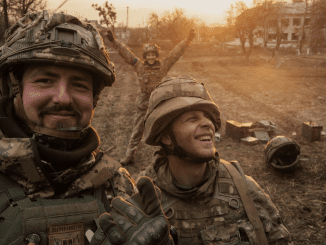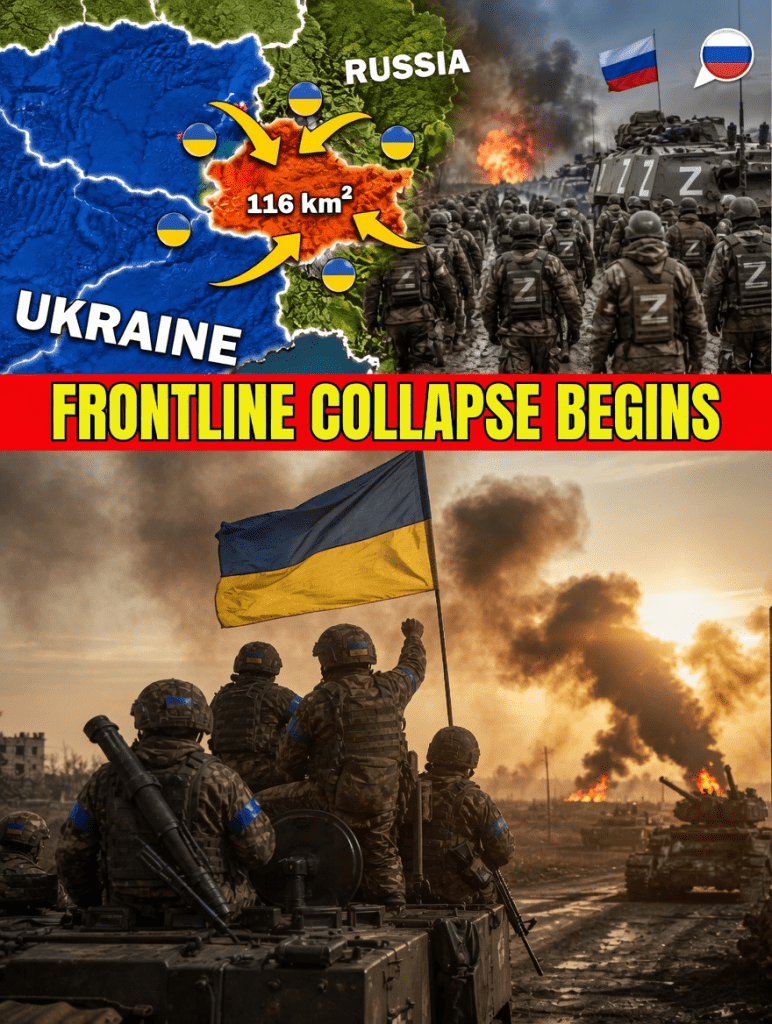
In a notable development on the eastern front, independent assessments indicate that Ukrainian forces achieved a net territorial gain of approximately 116 square kilometers during April 2026. This marks the first time since 2024 that Russia has recorded a net loss of territory, according to open-source analysts and military observers.
The development comes as Russia’s anticipated spring offensive in the Donetsk region encountered significant obstacles, including logistical difficulties, communication breakdowns, and challenging muddy terrain known locally as Rasputitsa. These factors appear to have slowed Russian advances and allowed Ukrainian units to conduct effective counter-operations.
Details of Ukrainian Territorial Gains
Throughout April 2026, Ukrainian forces reportedly conducted coordinated defensive and limited offensive actions, particularly around key fortified areas in Donetsk Oblast. Notable activity centered near Kostiantynivka and other positions within what Ukrainian commanders have described as their “fortress belt” — a network of prepared defensive positions designed to absorb and repel Russian assaults.
Ukrainian units utilized extensive drone operations for reconnaissance, targeting, and disruption of Russian movements. These asymmetric tactics, combined with precise artillery and small-unit counter-moves, enabled them to reclaim ground in several sectors while maintaining defensive stability elsewhere.
Independent analysts tracking territorial changes through satellite imagery, geolocated footage, and official reports noted a gradual shift in the front line. The 116 square kilometer net gain, while modest in the context of the overall conflict, represents a reversal of the consistent Russian territorial advances observed throughout much of 2025 and early 2026.
Challenges Facing the Russian Spring Offensive
Russia had been expected to launch a major push in the Donetsk region as spring weather improved mobility. However, several factors appear to have hindered these plans:
- Rasputitsa (Muddy Season): Heavy rains in early April turned fields and unpaved roads into quagmires, severely restricting armored vehicle movement and resupply operations. This seasonal phenomenon has historically complicated military campaigns in Ukraine.
- Logistical Strains: Reports of supply disruptions, fuel shortages, and equipment maintenance issues continued to affect Russian units. Some forward-deployed formations reportedly faced delays in receiving ammunition and spare parts.
- Communication and Coordination Issues: Ukrainian electronic warfare efforts, combined with drone-enabled strikes on command nodes, may have disrupted Russian command-and-control systems.
- Personnel and Recruitment Pressures: Analysts have highlighted ongoing challenges with manpower rotation and recruitment, leading to heavy reliance on assault groups with varying levels of training and equipment.
These challenges forced Russian forces to adjust tactics, shifting toward smaller infantry assaults supported by drones and artillery rather than large-scale mechanized advances.
Ukrainian Defensive and Asymmetric Tactics
Ukrainian success in April appears rooted in a combination of well-prepared defenses and innovative use of technology. The “fortress belt” strategy emphasizes layered defenses, minefields, drone surveillance, and rapid counterattacks. By focusing on high-value targets such as command posts, ammunition depots, and logistics hubs, Ukrainian forces were able to degrade Russian momentum without committing to large-scale counteroffensives.
Drone operations played a central role. Both reconnaissance and strike drones allowed Ukrainian commanders to monitor Russian movements in real time and deliver precise strikes, even in poor weather conditions. This capability has proven particularly effective against armored columns and troop concentrations slowed by muddy terrain.
The Evolving Nature of Battlefield Dynamics
The events of April 2026 illustrate how the character of the Russia-Ukraine conflict continues to evolve. Key trends include:
- Attritional Warfare: Both sides are engaged in a grinding battle of incremental gains and losses, with high consumption of personnel and matériel.
- Technological Adaptation: Drones, electronic warfare, and precision munitions dominate the battlefield, making traditional large-scale maneuvers increasingly difficult.
- Logistics as a Decisive Factor: Sustaining operations over vast distances in contested territory requires robust supply chains. Disruptions — whether from weather, strikes, or production shortfalls — can quickly shift momentum.
- Seasonal Influence: Weather remains a major variable. Summer months typically bring firmer ground and improved mobility, which could lead to renewed offensive activity from either side.
Military experts observing the conflict note that neither side has achieved decisive breakthroughs in recent months. Instead, the war has settled into a pattern of localized, high-intensity engagements where small territorial changes carry significant symbolic and operational weight.
Humanitarian and Civilian Impact
The fighting in Donetsk Oblast continues to exact a heavy toll on civilians. Many communities near the front lines have been evacuated or severely damaged, with residents facing ongoing risks from artillery, drones, and unexploded ordnance. Humanitarian organizations work to deliver aid where possible, but access remains limited in active combat zones.
Both Ukraine and Russia report significant military casualties, though exact figures are difficult to verify independently. The prolonged nature of the conflict has also strained resources for medical care, infrastructure repair, and economic recovery across affected regions.
International Observations and Future Outlook
Global observers, including military analysts and think tanks, continue to monitor developments closely. Some note that Ukraine’s ability to achieve net territorial gains in April may boost morale and demonstrate resilience despite ongoing challenges with manpower and Western aid flows.
Summer 2026 is expected to bring improved conditions for mechanized operations. Both sides are likely preparing for intensified fighting, with Russia seeking to regain momentum in Donetsk and Ukraine focusing on defensive stability and opportunistic counteractions.
Diplomatic efforts for de-escalation remain limited, with both parties maintaining firm positions on core issues. The conflict’s broader implications — for global food security, energy markets, and international security — continue to draw attention from governments worldwide.
Reflections on Modern High-Intensity Conflict
The battlefield dynamics in Donetsk highlight several lessons for contemporary warfare. Logistics, adaptability, and technological integration have become as critical as traditional combat power. Weather, terrain, and supply chain resilience can prove decisive even in an era of advanced weaponry.
As the situation remains fluid, the coming months will likely test both militaries’ ability to sustain operations under pressure. For civilians caught in the middle, the hope remains for eventual diplomatic progress that can reduce suffering and bring greater stability to the region.
This article is based on independent territorial assessments, open-source intelligence, and reports from both Ukrainian and Russian sources as of early May 2026. The situation on the ground is dynamic and subject to rapid change. Readers are encouraged to consult multiple credible sources for the latest updates.