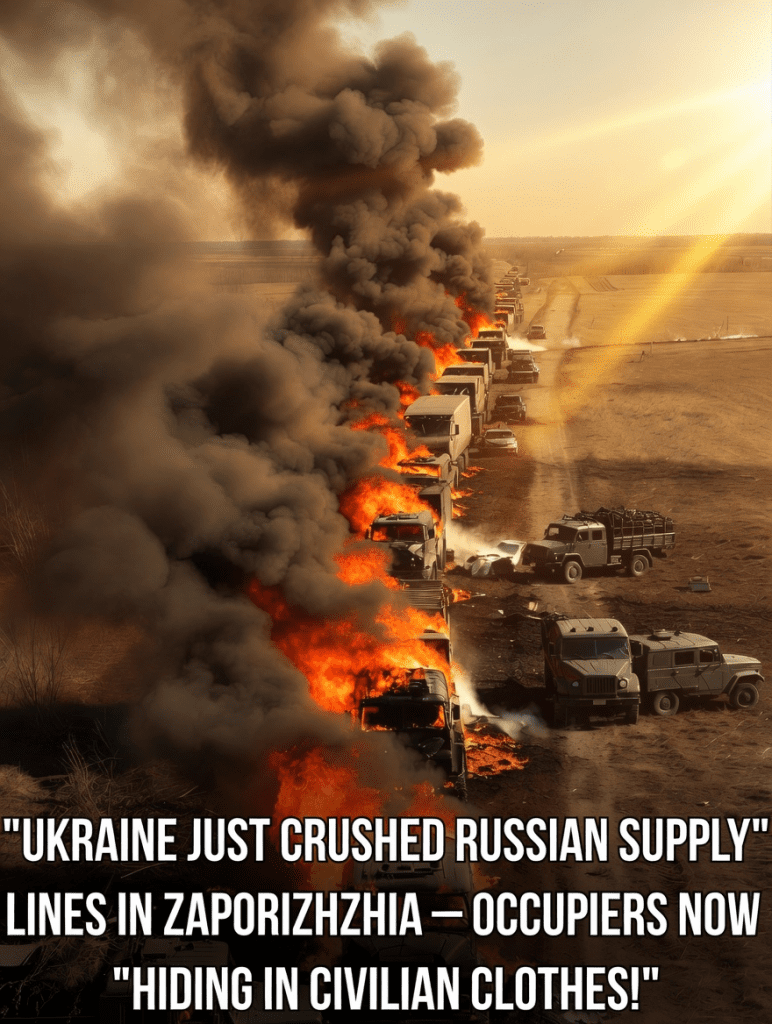
Ukrainian forces have intensified operations against Russian military logistics in the strategically important Zaporizhzhia region of southern Ukraine. Using unmanned aerial systems, Ukrainian units have targeted supply convoys, electronic warfare vehicles, fuel trucks, and equipment trailers in an effort to disrupt the flow of ammunition, fuel, and reinforcements to Russian frontline positions.
These actions reflect a continued focus on logistical attrition as both sides engage in persistent, high-intensity combat across the region.
Operations in Zaporizhzhia: Focus on Supply Lines
According to Ukrainian military reports, units including the Nemesis Brigade have conducted multiple strikes on Russian logistical assets in the Zaporizhzhia sector. The targets have included convoys moving ammunition and fuel, as well as specialized vehicles used for electronic warfare — systems that play a key role in disrupting Ukrainian drone and communication networks.
The area around Huliaipole remains one of the most active zones, with daily clashes involving small-unit infantry actions, artillery exchanges, and extensive drone operations. Ukrainian defenders report maintaining strong defensive positions despite repeated Russian attempts to advance. Russian forces have made limited territorial gains in some sectors but appear to face challenges sustaining momentum due to these logistical disruptions.
Some reports mention Russian troops using civilian-style clothing in certain areas near Orikhiv, a practice that complicates battlefield identification and raises concerns about adherence to international humanitarian law. Independent verification of such claims remains difficult amid the fog of war.
Strategic Importance of the Zaporizhzhia Region
Zaporizhzhia Oblast holds significant strategic value for both sides. The region contains critical infrastructure, including the Zaporizhzhia Nuclear Power Plant — Europe’s largest — as well as important agricultural lands and industrial facilities. Control of the area influences access routes toward the Dnipro River and affects operations in both southern and eastern Ukraine.
For Russia, maintaining positions in Zaporizhzhia supports efforts to secure land corridors to occupied Crimea and provides a base for potential future operations. For Ukraine, defending and pressuring this front prevents Russian forces from concentrating resources elsewhere and keeps pressure on occupied territories.
The frontline in Zaporizhzhia has remained relatively stable compared to the more dynamic situation in Donetsk Oblast, but it continues to see consistent, grinding combat characterized by drone surveillance, artillery duels, and small-scale assaults.
Tactical Evolution: Drones and Logistical Warfare
The increased use of unmanned systems to target logistics highlights a broader trend in the conflict. Both sides now rely heavily on drones for reconnaissance, strike missions, and disruption of supply lines. Ukraine’s ability to conduct precise strikes on moving convoys demonstrates improvements in real-time intelligence and operator training.
Key elements of current tactics in the region include:
- Extensive use of FPV (First-Person View) and reconnaissance drones
- Coordinated strikes on high-value logistical targets
- Electronic warfare countermeasures to protect or disrupt drone operations
- Small-unit infantry maneuvers supported by artillery and drones
Military analysts note that disrupting logistics has become as important as direct combat in many sectors. A single successful strike on a fuel or ammunition convoy can have outsized effects on Russian operational tempo, forcing units to operate with reduced resources or delay planned advances.
Russia has responded by increasing convoy protection, dispersing supply depots, and enhancing electronic warfare capabilities. The constant adaptation on both sides creates a highly dynamic and resource-intensive battlefield environment.
Challenges Facing Russian Operations
Despite periodic localized advances, Russian forces in Zaporizhzhia reportedly face difficulties maintaining consistent pressure. Logistical strain, combined with Ukrainian defensive preparations and drone activity, appears to limit the scale and sustainability of offensives in the region.
Ukrainian units benefit from relatively shorter supply lines within their own territory and continued innovation in defensive and strike technologies. However, both sides face significant challenges related to manpower rotation, equipment maintenance, and the high consumption rates characteristic of modern high-intensity warfare.
Humanitarian and Civilian Impact
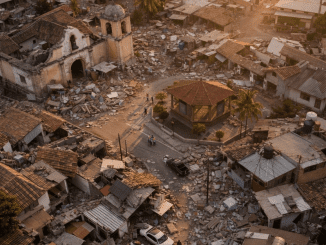
The Zaporizhzhia region has suffered extensive damage since the start of the full-scale invasion. Many communities near the front lines have been evacuated or severely affected, with residents facing risks from artillery, drones, mines, and unexploded ordnance.
Civilian infrastructure, including roads, power lines, and agricultural facilities, has been damaged or destroyed. The presence of military operations near populated areas adds complexity to efforts to protect non-combatants. International humanitarian organizations continue to provide aid where access is possible, but active combat zones severely restrict delivery.
The psychological toll on civilians and soldiers alike remains significant after more than three years of sustained fighting in the area.
Broader Context of the Ukraine-Russia Conflict
As of May 2026, the conflict continues across multiple fronts, with Zaporizhzhia representing one of several active theaters. Fighting in Donetsk Oblast remains particularly intense, while operations in Kharkiv, Kherson, and other regions see varying levels of activity.
Both Russia and Ukraine face substantial economic and human costs. Russia maintains advantages in manpower and certain areas of industrial production, while Ukraine benefits from technological innovation, international support, and defensive resilience. The war has become a prolonged contest of attrition, with logistics, technology, and economic sustainability playing decisive roles.
International observers monitor developments closely, particularly any shifts that could influence diplomatic initiatives or ceasefire discussions. While periodic talks occur, significant obstacles remain regarding territorial issues, security guarantees, and accountability.
Technological Innovation and Future Trends
The situation in Zaporizhzhia illustrates how modern conflicts are shaped by rapid technological adaptation. Drone technology, electronic warfare, and precision munitions have transformed traditional battlefield dynamics, making large-scale armored advances more difficult and expensive.
Both militaries continue to invest heavily in these capabilities. Lessons learned in Zaporizhzhia and other sectors are being studied by defense analysts worldwide and will likely influence military doctrines for years to come.
Summer weather conditions in 2026 may improve ground mobility, potentially leading to increased activity across the region. However, the effectiveness of operations will continue to depend heavily on each side’s ability to sustain logistics and protect forces from drone threats.
A Continuing Human Cost
Behind every report of strikes and tactical maneuvers are human stories of loss, resilience, and endurance. Families on both sides have been profoundly affected by the conflict, with millions displaced and communities fragmented.
The prolonged nature of the war has created deep societal impacts that will require decades of recovery. Humanitarian needs remain acute, and efforts to support civilians — through aid, medical care, and reconstruction planning — continue despite the challenges of active hostilities.
As developments in Zaporizhzhia and across the broader front unfold, the hope for de-escalation and a negotiated resolution persists among many civilians and international actors. Achieving lasting peace will require addressing fundamental security concerns while prioritizing the protection of civilian lives.
This article is based on reports from Ukrainian military sources, open-source analyses, and international media coverage as of May 2026. Information from active conflict zones is often contested and should be cross-checked with multiple credible sources. Our thoughts remain with all civilians and families affected by the ongoing war in Ukraine.